Lines4Life
Preventing marine wildlife entanglement by stopping fishing line pollution at the source.
Preventing marine wildlife entanglement by stopping fishing line pollution at the source.
This project delivers a community-led, low-cost, and replicable solution that prevents marine debris at the source, protects federally and state-managed wildlife, and produces quantifiable environmental outcomes aligned with NOAA Marine Pollution Program’s prevention and conservation goals.
Discarded monofilament fishing line is a persistent source of marine wildlife injury and mortality along the North Carolina coast, causing entanglement, lacerations, amputations, and death by starvation or drowning. NOAA Fisheries and North Carolina State University (CMAST) have documented monofilament line as a recurring debris type associated with strandings of bottlenose dolphins, sea turtles, and seabirds in the Southeast U.S. Plastic Ocean Project (POP) has assumed leadership of the Bonehenge Monofilament Recycling Program to ensure continuity and expansion of this proven, community-based pollution-prevention initiative that directly addresses a priority marine debris pathway.
Monofilament line is engineered for durability and can persist in the environment for decades. Without sufficient places to discard unwanted fishing line it often ends up in watersheds. Research and stranding records from NOAA Beaufort Laboratory and NC State University demonstrate that a single length of line can entangle multiple animals, compounding ecological harm. Recycling line at the source—where fishing occurs—represents a highly effective, low-cost intervention that prevents derelict pollution before it enters marine and coastal ecosystems, providing prevention and measurable environmental outcomes.
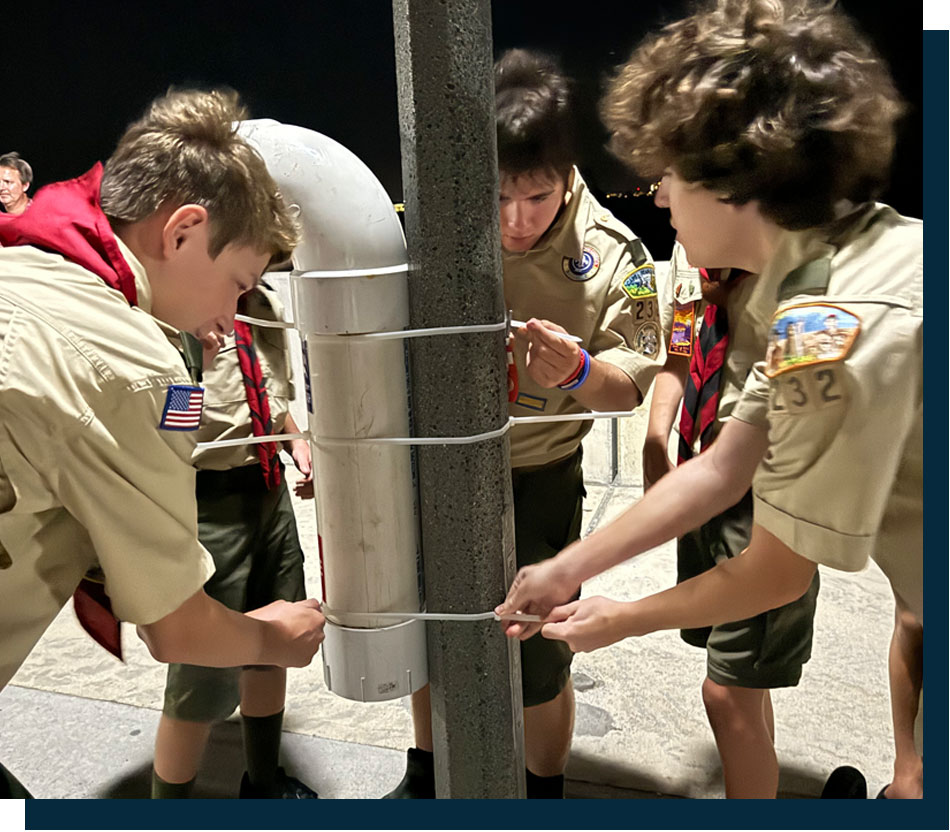
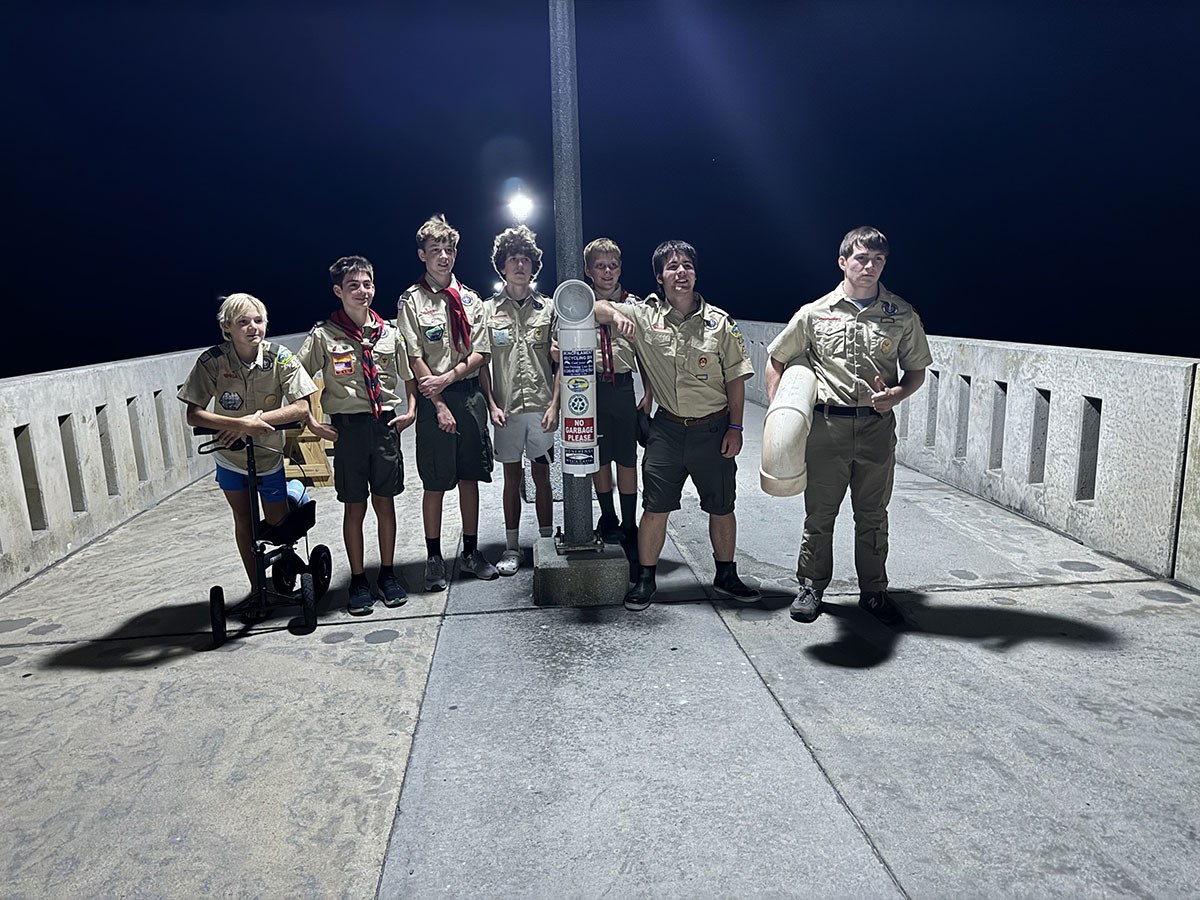
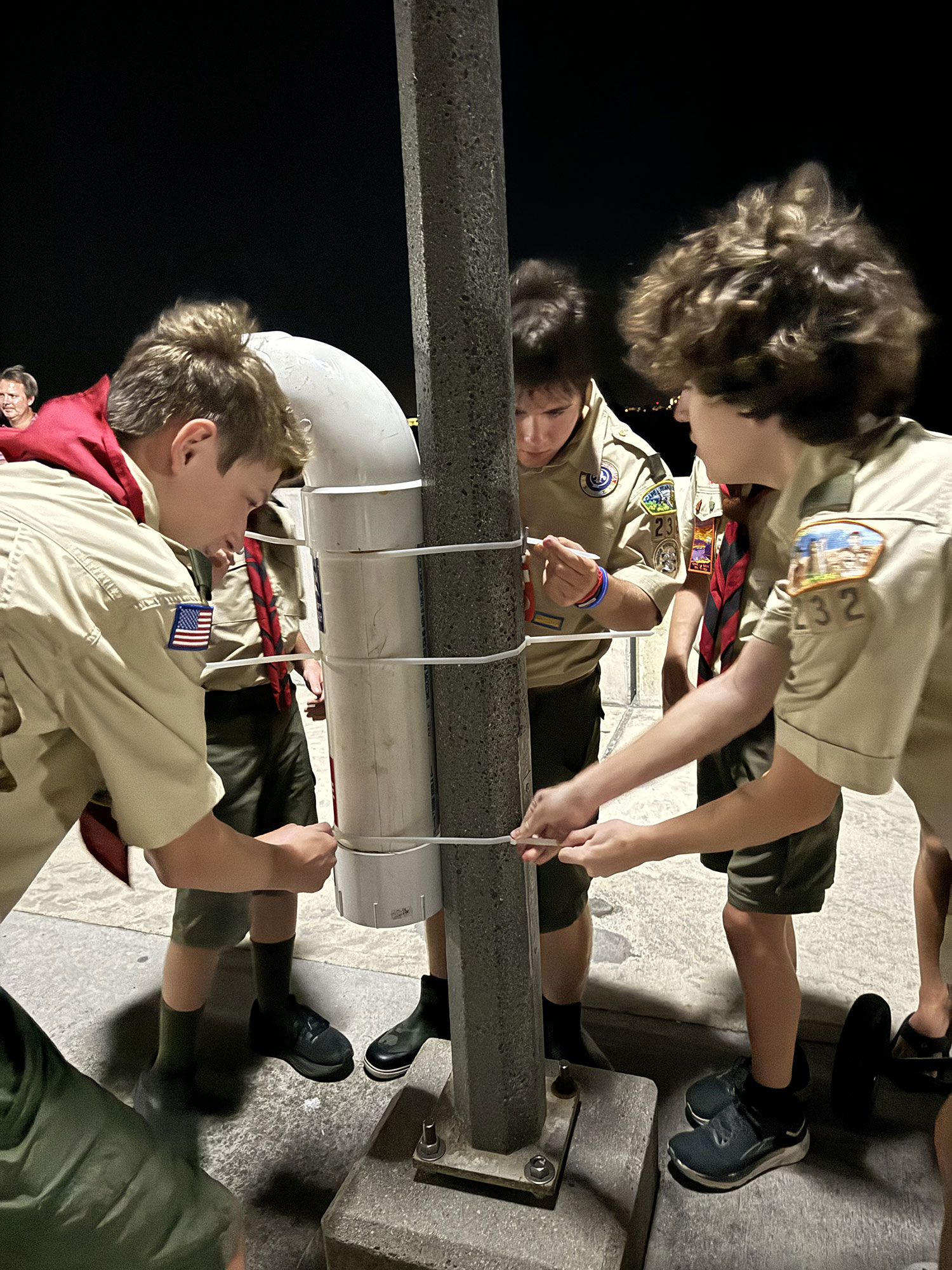
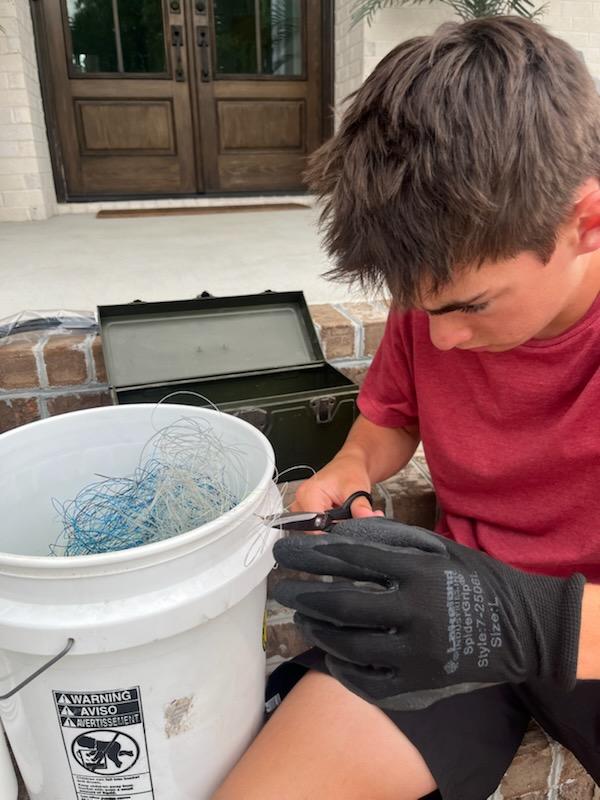
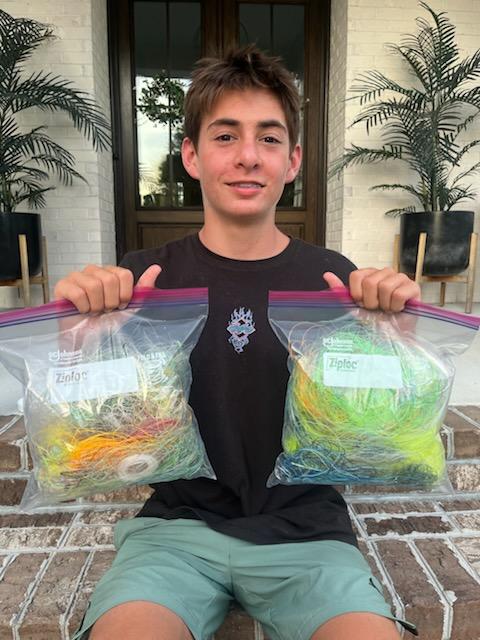
Under POP’s stewardship, the LInes4Life (Monofilament Recovery and Recycling) Program maintains and expands strategically placed recycling receptacles at high-use fishing locations, including beaches, piers, marinas, boat ramps, docks, and tackle retailers. As of 2021, volunteers had recovered approximately 3,600 miles of discarded fishing line across coastal North Carolina. POP builds on this foundation by increasing bin coverage, strengthening volunteer engagement, and integrating education and data tracking to scale impact while empowering local communities as stewards of coastal wildlife.
Want to get involved? Contact kayla@plasticoceanproject.org